




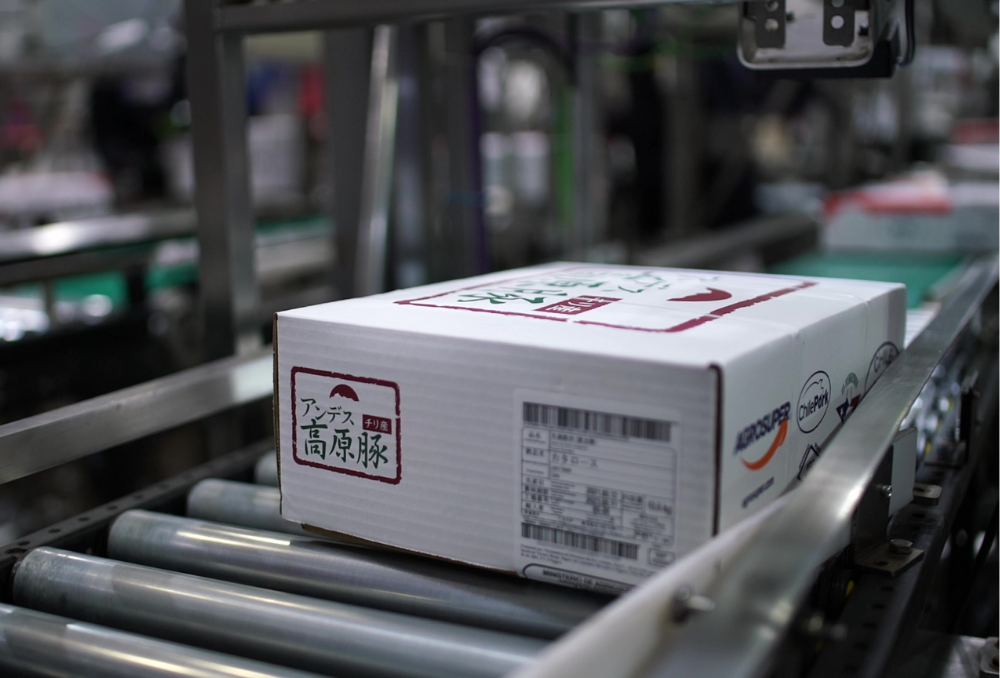
Chile achieved a new milestone for its meat exports with the shipment of the first container of meat to Japan without the traditional label of the Agricultural and Livestock Service (SAG). This is the result of months of negotiations between authorities and the private sector to meet the direct requirements of Japanese importers.
The so-called “SAG label” is a physical seal that the Chilean health service places on each exported crate as a guarantee of official inspection. This system has historically been viewed favorably by target markets. However, in Japan, receiving and distribution lines have become highly automated, and any additional items that need to be removed manually can make operations less efficient.
The ability to export without this label allows for faster receipt of the product and direct integration into importers’ logistics and technology systems, in line with current Japanese standards.
Japan is one of the most important markets for Chilean meat, particularly pork, and has a strong, long-term trade relationship with the country. Adapting to its new operational requirements is key to Chile’s continued participation in its supply programs and modernization processes.
The authorization granted by Japan stipulates that shipments without the label must contain only one type of product per container, which poses logistical challenges for companies that work with mixed cargo. Nevertheless, this option opens up a concrete opportunity for the export sector, allowing it to meet client demands and strengthen the country’s competitiveness in a highly sophisticated market.
This development further solidifies Chile’s position as a reliable supplier that is capable of meeting demanding technical standards and responding promptly to the needs of its trading partners.