


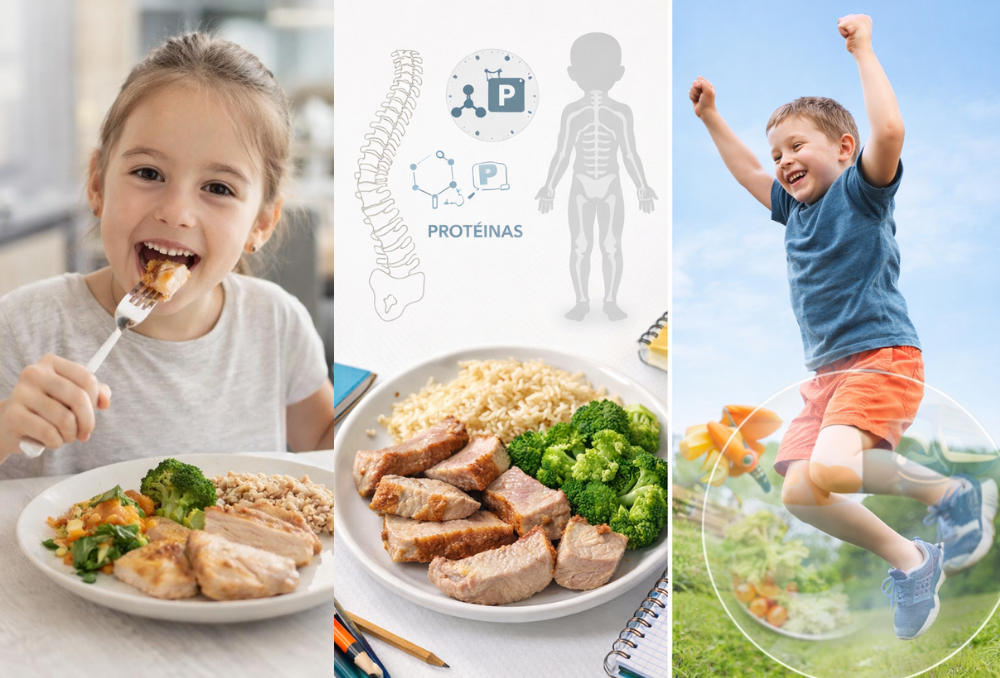
According to a recent article published by INTERPORC, a Spanish professional organization representing the entire white pork industry, protein and phosphorus play a fundamental role in children’s diets. Proteins are essential for tissue formation and repair, muscle maintenance, and normal bone growth, while phosphorus plays a decisive role in proper bone mineralization and metabolic function.
Childhood is a period marked by rapid growth and profound physiological changes. These years are when bones, muscles, and organs develop, while metabolic systems that are essential for the body to function mature. Nutrition plays a crucial role in this process, as children require more nutrients to meet their growing needs and support each stage of development.
Multiple technical publications widely used in the Ibero-American academic community agree that growing children have higher nutritional needs. It is not only important how much children eat, but also the quality and bioavailability of the nutrients. Requirements vary according to age, gender, and level of physical activity, which means that diets need to be adjusted for each age group.
The importance of protein quality
The scientific evidence highlights the importance of proteins with a high biological value, i.e., those that provide all the essential amino acids in the right proportions for the body to make proper use of them. These amino acids are essential for tissue building, muscle development, and proper structural function in growing bodies.
Protein sources with high biological value are found in animal-based foods such as meat, fish, eggs, and dairy products. Lean meats, including pork, are an option that can be included in a varied and balanced diet to help meet protein requirements during childhood.
Phosphorus: a key mineral for growth
Phosphorus is the second most abundant mineral in the human body, and about 85% is found in bones and teeth, where it works closely with calcium. This interaction is essential for proper bone mineralization, particularly during growth spurts.
As well as its structural role, phosphorus plays a part in essential metabolic processes such as energy production at the cellular level and the formation of cell membranes. Its abundance in protein-rich animal foods—including lean pork and chicken—makes it easy to incorporate into daily meals.
Balanced nutrition and evidence-based information
When part of a balanced diet, lean meats are a source of high biological value protein, phosphorus, B vitamins, and minerals such as zinc. Cuts such as tenderloin and sirloin stand out for their nutritional value and versatility in the kitchen, making them ideal choices for dishes that comply with current recommendations for healthy eating.
The dissemination of nutritional information based on scientific evidence is particularly important in this context. Clear, technical communication between academia and the productive sector helps foster an informed and responsible food culture.
Promoting science-based information on the nutritional value of different foods not only gives families the right guidance, but also reinforces the importance of a balanced diet as the foundation for children’s present and future well-being.
Source: Inter-professional Agri-Food Organization for White Pork (INTERPORC), “El papel de las proteínas y el fósforo en la alimentación infantil,” January 22, 2026.
References
– Mataix J. Nutrición y alimentación humana. Situaciones fisiológicas y patológicas. 2ª ed. Vol II. Madrid: Ergon, 2009.
– Moreiras O., Carbajal A., Cabrera L., Cuadrado C. Tablas de composición de alimentos. Guías de prácticas. 17ª ed. Madrid: Ediciones Pirámide; 2015.
– Carbajal A. Manual de Nutrición y Dietética. Universidad Complutense de Madrid; 2013.